
















For years, RFID (Radio Frequency Identification) has been hyped as the “barcode killer.” It promises lightning-fast scanning, real-time inventory tracking, and the ability to read hundreds of items at once without a line of sight. While these advantages are real, the reality on the ground tells a different story. Despite all the excitement, barcodes continue to dominate supply chains, retail stores, healthcare, and warehouses. Here’s why RFID will not replace barcodes — at least not anytime soon.
1. Cost is Still a Major Barrier
RFID tags are far more expensive than printed barcodes. A typical UPC or Code 128 label costs fractions of a cent to print, while RFID tags can cost 10 to 50 times more depending on format and durability. For companies managing millions of items, that cost difference quickly adds up. Until RFID pricing drops dramatically, barcodes remain the most economical choice.
2. Infrastructure Investment Is Steep
Implementing RFID isn’t as simple as buying tags. Companies need specialized scanners, antennas, readers, and integrated software to make the system work. This requires a significant investment in IT infrastructure, training, and process change. By contrast, barcode scanning can be implemented with affordable handheld scanners or even smartphone cameras.
3. Environmental Challenges Limit RFID
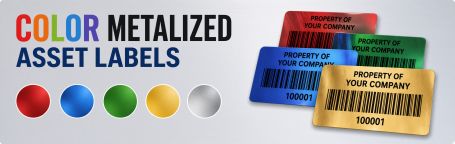
Barcodes are incredibly versatile. They can be printed on durable labels, metals, plastics, and even tamper-evident materials for extreme environments. RFID, however, struggles in certain conditions. Metal surfaces and liquids can interfere with signals, making it unreliable in industries like food distribution, chemicals, or automotive parts.
4. Standards and Compatibility Are Still Developing
Barcodes have universal standards — a UPC on a product can be scanned at any retailer worldwide. RFID standards are improving, but compatibility between systems is not always guaranteed. Until there’s seamless global standardization, barcodes will remain the common language of supply chains.
5. Barcodes Are Simple, Reliable, and Ubiquitous
Barcodes don’t need batteries, don’t suffer from radio interference, and don’t require complex readers. They are cheap, easy to print, and universally understood by employees and customers alike. In contrast, RFID requires more maintenance, setup, and technical support.
6. RFID and Barcodes Will Co-Exist
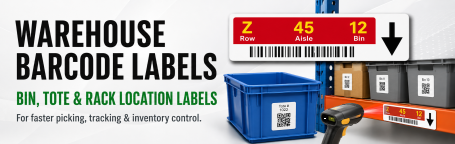
Instead of thinking of RFID as a replacement, it’s better to view it as a complement. Many industries are using RFID for high-value asset tracking while still relying on barcodes for everyday labeling. The two technologies can work hand in hand, with RFID handling specialized applications and barcodes continuing to serve as the backbone of logistics.
Conclusion
RFID is an exciting technology with clear advantages in specific situations, but it’s not poised to replace barcodes anytime soon. Cost, complexity, environmental limitations, and the sheer ubiquity of barcodes mean that printed labels will remain essential for the foreseeable future. Businesses considering RFID should view it as an additional tool — not a wholesale replacement.
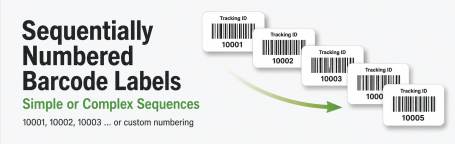
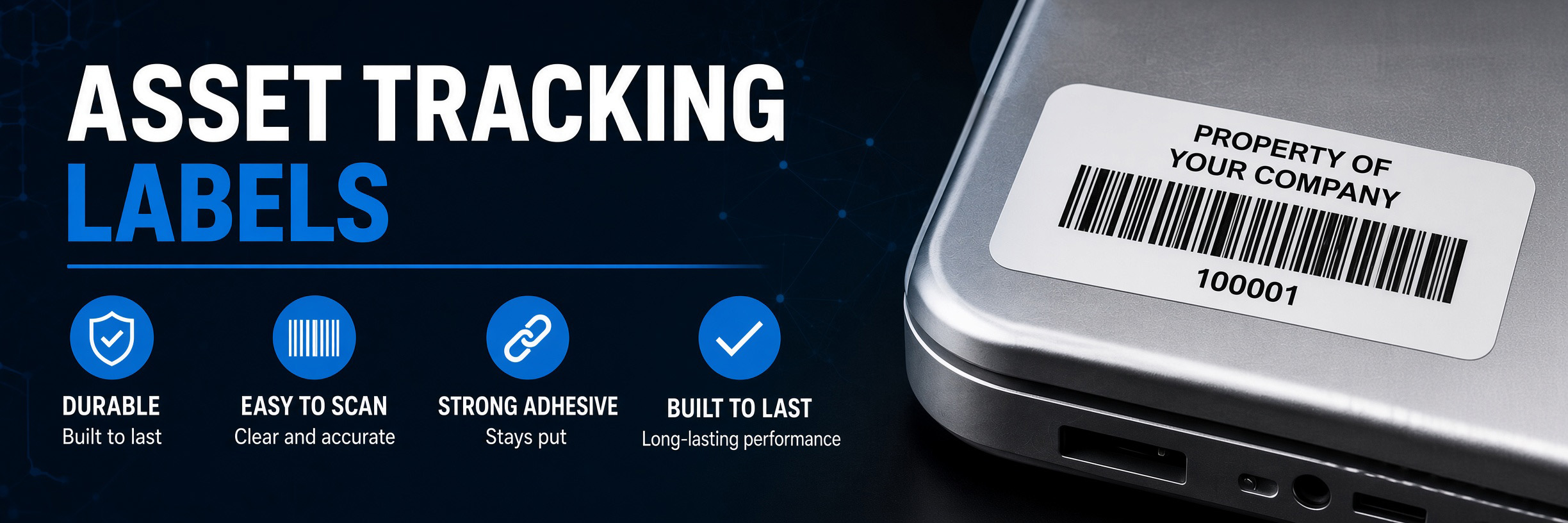
At WePrintBarcodes.com, we believe in helping businesses choose the right labeling solution for their needs today — whether that’s durable barcode labels for harsh environments, sequential numbering for inventory, or specialized tags that integrate with future RFID initiatives.



