












Back to Blog Index

Conventional 1D Barcodes vs. QR Codes: What’s the Difference?
Conventional 1D Barcodes vs. QR Codes: What’s the Difference?
Barcodes have become an essential part of everyday life. From scanning groceries at the checkout to tracking inventory in warehouses, these simple symbols help businesses move faster and more efficiently. But not all barcodes are created equal. The classic 1D (linear) barcode and the modern QR code work in very different ways — and each has its own strengths.
In this article, we’ll break down the key differences between 1D barcodes and QR codes so you can understand when to use each.
What Are 1D Barcodes?
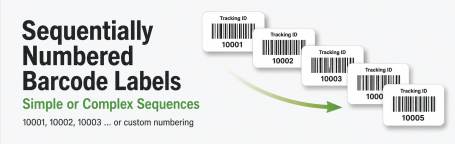
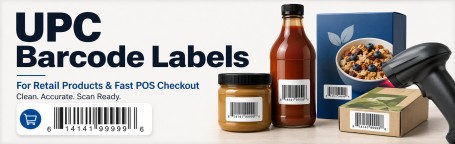
1D barcodes, also known as linear barcodes, are the traditional black-and-white lines you see on most retail products. They were first introduced in the 1970s and quickly became the global standard for inventory and checkout.
- How they work: A 1D barcode encodes information by varying the width and spacing of parallel lines. A scanner reads these patterns and translates them into numbers or text.
- Data capacity: Most 1D barcodes hold only a limited amount of data (typically up to 20–25 characters). Usually, this is just a product ID number, which links to more details stored in a database.
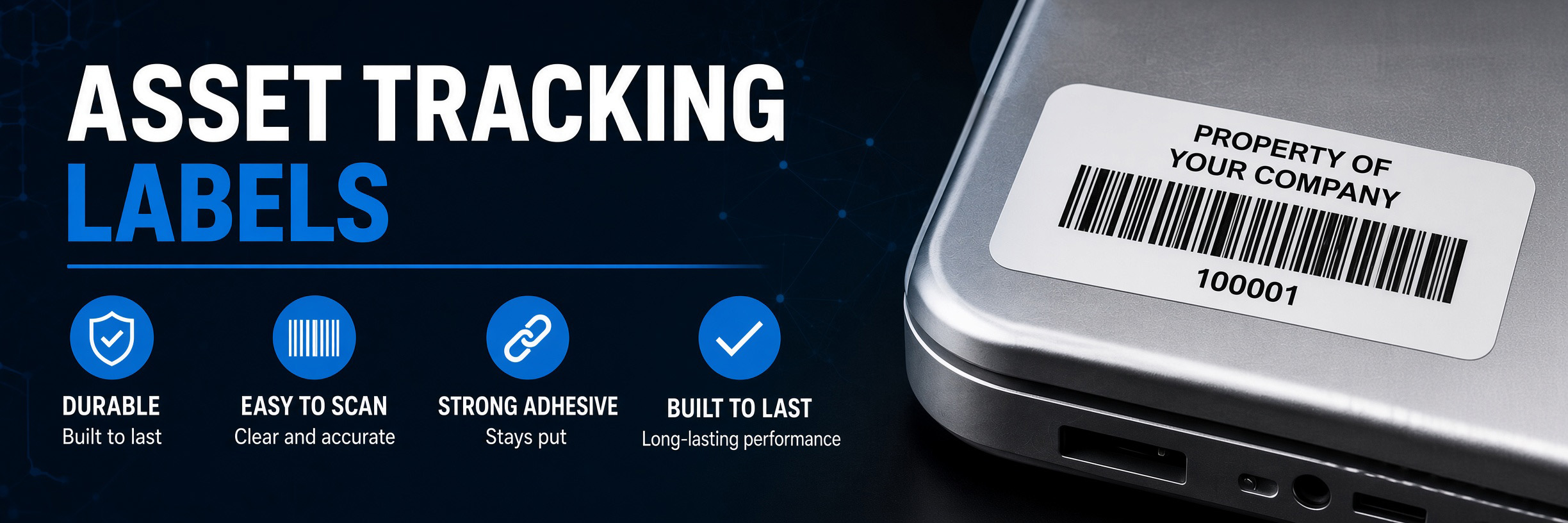
- Common uses: Retail UPC/EAN codes, library books, shipping labels, asset tags
What Are QR Codes?
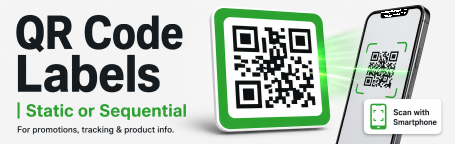
QR codes — short for Quick Response codes — are a type of 2D barcode developed in the 1990s in Japan. Instead of simple lines, QR codes use a square grid of black and white modules that can store data both vertically and horizontally.
- How they work: A QR code can be scanned by almost any smartphone camera. The code’s finder patterns (the three big squares at the corners) help scanners quickly locate and decode the symbol, even if it’s tilted or partially damaged.
- Data capacity: QR codes can store much more information than 1D barcodes — up to 7,000+ characters. They can encode website URLs, text, contact details, payment info, and more.
- Common uses: Marketing campaigns, mobile payments, event tickets, restaurant menus
Key Differences Between 1D Barcodes and QR Codes
| Feature | 1D Barcode | QR Code |
|---|---|---|
| Appearance | Black lines on white background | Square grid of modules |
| Data Capacity | ~20–25 characters | Up to 7,000+ characters |
| Scanning Devices | Laser scanners | Smartphones and imaging scanners |
| Error Correction | Minimal | Built-in error correction |
| Best For | Product identification, inventory | Marketing, consumer engagement |
Which One Should You Use?
It depends on your needs:
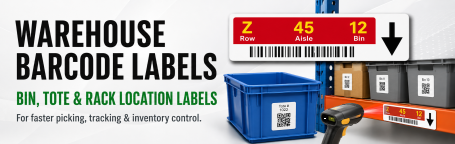
- If you’re in retail, logistics, or warehouse management, a conventional 1D barcode is still the most efficient option. They’re small, fast to scan, and compatible with millions of point-of-sale systems worldwide.
- If you want to share information directly with consumers — like linking them to a website, app, or payment portal — a QR code is the better choice thanks to its high data capacity and smartphone compatibility.
In many industries today, you’ll find both used side by side: a 1D barcode for back-end tracking, and a QR code for customer interaction.
Final Thoughts
Both 1D barcodes and QR codes are powerful tools for identification and communication. The choice between them comes down to what kind of data you need to store and how you expect it to be scanned.
By understanding the strengths of each, businesses can create labels and packaging that meet both operational and customer-facing needs.
Back to Blog Index
